Hyper-Real 3D Parasite: A Practical Guide for Designers and Creators
In the crowded landscape of digital assets, finding high-quality illustrations that stand out requires more than just a quick search. The Hyper-Real 3D Parasite collection represents a specific niche within digital art, offering a distinct aesthetic that blends biological horror with photorealistic rendering techniques. For designers, marketers, and DIY creators aged 20 to 50 who are evaluating resources for their next project, understanding the specific utility and limitations of this style is crucial. This guide breaks down what makes these assets unique, how they compare to other formats, and when they fit best into your creative workflow.
Defining the Hyper-Real 3D Parasite Aesthetic
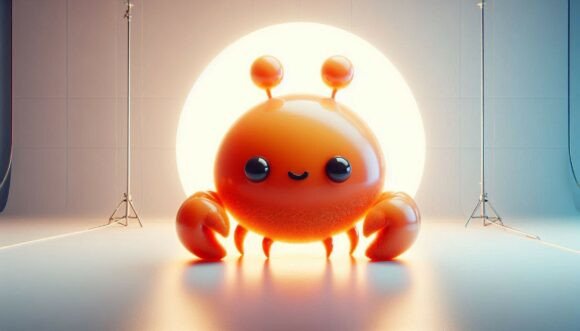
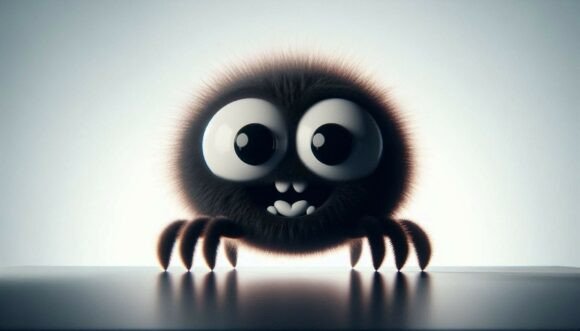
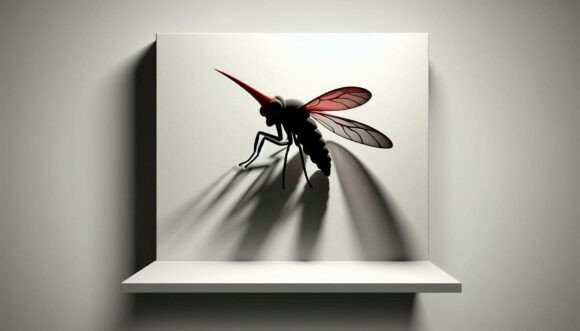
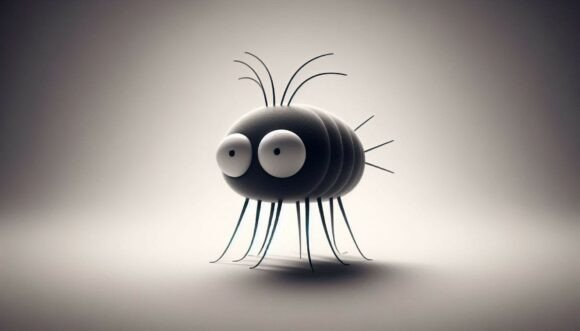
The term "Hyper-Real" in digital illustration refers to images that possess a level of detail, lighting, and texture indistinguishable from high-end photography or advanced 3D rendering. When applied to the concept of a "parasite," the result is a graphic asset that evokes a visceral reaction through its lifelike quality. Unlike cartoonish or stylized vector art, the Hyper-Real 3D Parasite package delivers four high-resolution JPEG files that capture complex surface details, shadows, and depth.
What distinguishes this specific collection is its focus on realism within a fantastical subject matter. These are not flat clipart images; they are digital illustrations designed to look like tangible objects. This distinction matters significantly for end-use applications. If a project requires a subtle, background element, a flat icon might suffice. However, if the goal is to create a focal point for a horror-themed event, a merchandise line, or a bold marketing campaign, the depth provided by hyper-realism offers a visual weight that simpler styles cannot match.
Evaluating Format and Technical Specifications
When comparing digital assets, file format is often the first decision factor. The Hyper-Real 3D Parasite package provides four JPEG files. For many users, this is a practical choice because JPEGs are universally compatible with almost every design tool, printing service, and web platform. You do not need specialized software to open them, and they integrate seamlessly into workflows involving Canva, Procreate, or standard photo editors.
However, there are tradeoffs to consider. JPEGs are raster images, meaning they are resolution-dependent. While the files in this package are described as high-resolution, they lack the scalability of vector formats (such as SVG or EPS). If you plan to scale an image up to billboard size, a vector file would theoretically be superior. Conversely, for most common applications—such as t-shirt printing, mug wraps, social media graphics, or scrapbooking—the resolution provided in these high-quality JPEGs is typically sufficient. The decision here depends on the physical size of your final output. For standard apparel sizes or printable decorations, the pixel density of these files usually meets professional standards without the complexity of managing vector layers.
Comparing Use Cases: Where This Style Excels
To determine if the Hyper-Real 3D Parasite is the right resource, it helps to compare it against other available options in the market. Generic clipart libraries often offer thousands of options but frequently suffer from low resolution or repetitive designs. Custom 3D modeling services offer infinite customization but come with high costs and long turnaround times. The Hyper-Real 3D Parasite package sits comfortably in the middle, offering a premium look at a fraction of the cost of custom work.
Marketing Materials and Web Illustrations
For websites and digital ads, visual impact is paramount. A hyper-real image stops the scroll more effectively than a generic stock photo. These files can serve as hero images for landing pages, blog headers, or email campaigns targeting audiences interested in sci-fi, horror, or alternative fashion. Compared to using a photograph of a real creature—which may not exist or look too clinical—the illustrated nature of these assets allows for creative exaggeration while maintaining realism.
Print-on-Demand and Merchandise
One of the strongest use cases for this package is print-on-demand (POD) products. Whether you are creating designs for T-shirts, hoodies, sweatshirts, or bags, the texture-rich nature of the hyper-real style translates well to fabric. Unlike flat colors which can sometimes appear dull on dark fabrics, the shading and highlights in these 3D illustrations add dimension that survives the printing process. Similarly, for items like mugs and tumbler wraps, the detailed imagery ensures that the design remains engaging even when wrapped around a curved surface.
Crafting and Personal Projects
For hobbyists using tools like Procreate or those engaged in scrapbooking and printable decoration, these files offer a level of polish that is difficult to achieve from scratch. Creating a hyper-realistic creature from scratch requires advanced skills in anatomy, lighting, and texturing. By utilizing pre-made assets, creators can focus on composition and layout rather than spending hours rendering individual scales or textures. This efficiency is a significant advantage for adults balancing creative projects with full-time jobs or other responsibilities.
Decision Factors: Strengths and Limitations
Every digital asset has a specific context where it performs best. Understanding the limitations of the Hyper-Real 3D Parasite collection is just as important as recognizing its strengths.
- Strength: Visual Impact. The primary advantage is the immediate attention-grabbing quality of the hyper-real style. It conveys a sense of professionalism and effort that elevates the perceived value of any project.
- Strength: Versatility. With four distinct files, you have options for different compositions without needing to purchase multiple packs. They can be used individually or combined in collage-style designs.
- Limitation: Scalability. As raster images, they should not be stretched beyond their intended resolution. Users must check the pixel dimensions against their print requirements to avoid pixelation.
- Limitation: Stylistic Niche. The "parasite" theme is specific. While versatile within the horror or sci-fi genres, these assets may not fit a corporate, minimalist, or family-friendly brand identity. They are not a one-size-fits-all solution.
When to Choose Alternatives
While the Hyper-Real 3D Parasite package is robust for its intended purpose, it is not always the correct tool. If your project requires transparency (e.g., placing an object over a complex background without a white box), you may need PNG files instead of JPEGs, though many design tools allow for easy background removal. If your brand guidelines strictly prohibit realistic depictions of biological entities, or if you require a cartoonish, hand-drawn aesthetic, this style will clash with your visual identity.
Furthermore, if you need to manipulate the anatomy of the creature—changing the number of legs, altering the color scheme entirely, or reshaping the body—these static JPEGs will not suffice. In such cases, hiring a 3D artist or purchasing editable source files (like Blender or Cinema 4D projects) would be the necessary alternative. The Hyper-Real 3D Parasite is designed for application and composition, not for deep structural editing.
Practical Integration into Your Workflow
Integrating these assets into your workflow is straightforward due to their compatibility. For example, in Canva, you can upload the JPEGs and layer them with text and other elements to create invitation cards or social media posts quickly. In Procreate, artists can import the files as reference layers or stamp them onto a canvas to build larger scenes. For vinyl stickers, the high contrast and detail ensure that the cut lines are precise and the final product looks sharp.
When designing for clothing, consider how the lighting in the illustration interacts with the fabric color. The depth in these hyper-real images means they often look best on solid-colored backgrounds, allowing the intricate details of the parasite to stand out. Testing a small print run before committing to a large batch is always advisable, regardless of the asset quality, to ensure the colors translate correctly from screen to print.
Making the Final Choice
Ultimately, the decision to use the Hyper-Real 3D Parasite collection comes down to your specific project goals. If you need a high-impact, visually stunning asset that saves time on rendering while delivering a professional, hyper-realistic look, this package offers excellent value. It bridges the gap between expensive custom commissions and low-quality generic clipart.
However, if your needs involve extreme scalability, total structural editability, or a stylistic direction far removed from realism, exploring other formats or commissioning custom work may be more appropriate. By weighing the benefits of immediate availability and high visual fidelity against the limitations of raster formats and thematic specificity, you can make an informed decision that aligns with your creative vision and budget constraints.