Evaluating the 3D Abstract Rose Tumbler Design for Custom Drinkware
In the realm of custom drinkware and sublimation printing, selecting the right digital asset is often the most critical step in determining the final product's marketability. The 3D Abstract Rose Tumbler design has emerged as a popular choice for creators focusing on 20oz skinny tumblers, offering a distinct aesthetic that blends botanical motifs with modern geometric depth. Unlike traditional flat floral patterns, this design utilizes layering and shading techniques to simulate three-dimensional volume, creating a visual effect that stands out against the metallic surface of insulated cups. For adults aged 20 to 50 who are either running small businesses or exploring DIY craft projects, understanding the specific attributes, technical requirements, and comparative advantages of this design format is essential before committing to a purchase.
Defining the Aesthetic and Technical Specifications
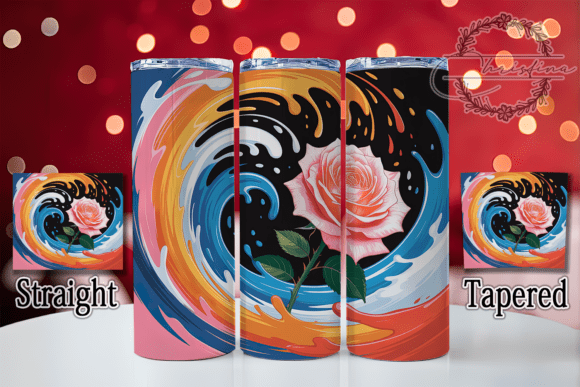
The core appeal of the 3D Abstract Rose Tumbler lies in its ability to transform a standard cylindrical object into a canvas for perceived depth. Traditional rose designs often rely on line art or simple color fills, which can appear two-dimensional when wrapped around a curved surface. In contrast, this abstract approach deconstructs the flower into facets and gradients. This technique not only adds visual interest but also helps mask minor imperfections in the sublimation process, such as slight misalignments or uneven heat distribution.
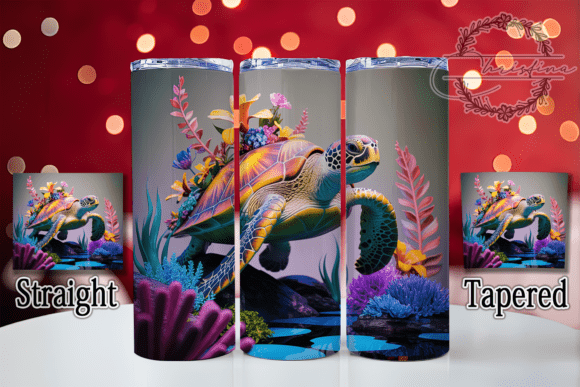
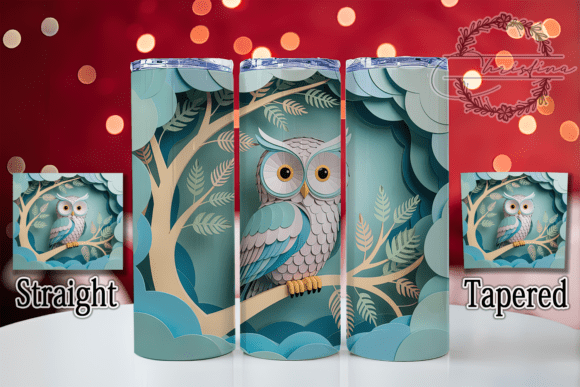
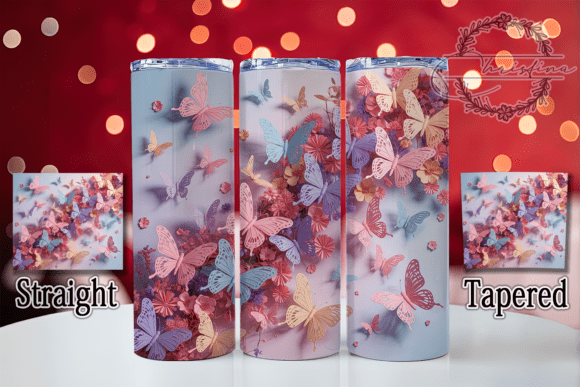
Technically, the asset is provided as a high-resolution PNG file at 300 DPI. This resolution is the industry standard for professional-grade printing, ensuring that edges remain crisp and colors do not pixelate when scaled. The listing typically includes two variations: a straight design and a tapered design. The distinction between these two formats is crucial for practical application. A straight design assumes a uniform cylinder, while a tapered design accounts for the slight narrowing found in many modern skinny tumblers. Using the correct file type ensures that the proportions of the rose remain accurate from the top rim to the bottom base, preventing the image from looking stretched or distorted.
Comparing Digital Downloads vs. Physical Mockups
When evaluating resources for tumbler customization, buyers often face a choice between purchasing physical mockups or downloading digital files. The 3D Abstract Rose Tumbler falls strictly into the digital download category. This distinction carries significant implications for cost, shipping time, and flexibility. Physical mockups provide a tangible example of how a design looks, which can be helpful for beginners unsure about color translation. However, they limit the buyer to a single size and shape.
Conversely, the digital nature of this design offers superior versatility. Because the file is a vector-ready raster image (PNG), it can be resized without losing quality. While the primary intent is for 20oz skinny tumblers, the same file can be adapted for water bottles, mugs, phone cases, or even apparel transfers. This scalability makes the digital download a more economical choice for entrepreneurs who need to test multiple products or expand their inventory beyond a single vessel type. The tradeoff, however, is the requirement for the user to have access to sublimation equipment and the technical know-how to apply the transfer correctly.
Strengths and Tradeoffs of the Abstract Style
Choosing an abstract style over a photorealistic one involves weighing artistic impact against audience preference. The strengths of the 3D Abstract Rose Tumbler include its modern appeal and broad demographic reach. Abstract art tends to age better than trend-specific imagery, making it a safer long-term investment for a brand. Furthermore, the use of bold colors and defined shapes allows the design to pop against various tumbler backgrounds, including black, white, and pastel finishes.
However, there are tradeoffs to consider. Abstract designs can sometimes be polarizing; customers looking for delicate, vintage-style florals may find the geometric interpretation too aggressive or modern. Additionally, because the design relies heavily on color gradients to create the illusion of depth, it is more sensitive to printer calibration than solid-color designs. If a printer is not properly profiled, the subtle shifts in hue required to achieve the 3D effect may result in banding or muddy colors. This sensitivity necessitates a higher level of technical proficiency from the creator compared to simpler, flat designs.
Color Accuracy and Screen-to-Print Variance
A critical factor in the decision-making process is the discrepancy between on-screen representation and physical output. Every monitor renders colors differently based on resolution, brightness settings, and color profiles. Similarly, printers vary in their ink saturation and absorption rates depending on the substrate. The 3D Abstract Rose Tumbler is no exception to this rule. While the creator strives for accuracy, the final print may exhibit slight variations in tone.
For professionals, this means relying on soft-proofing tools within their editing software to anticipate how colors will shift during the sublimation process. It also highlights the importance of test prints. Before producing a batch of custom tumblers, running a single test on a spare cup allows the creator to adjust printer settings and ensure the 3D depth is preserved. Ignoring this step can lead to wasted materials and customer dissatisfaction, particularly if the vibrant hues seen on the screen appear duller in reality.
Determining the Best Fit for Your Project
The 3D Abstract Rose Tumbler is an excellent fit for several specific scenarios. It is ideal for creators targeting a younger, fashion-conscious demographic that values unique, Instagram-worthy aesthetics. It also suits sellers who want to differentiate their inventory from the sea of generic floral patterns available on mass-market platforms. The inclusion of both straight and tapered files makes it particularly valuable for those specializing in skinny tumblers, a category that remains highly competitive yet consistently popular.
However, this design may not be the right choice for every situation. If a project requires a transparent background for complex layering with other graphics, the user must verify the file structure, though PNGs typically support transparency. More importantly, if the end-user lacks experience with sublimation printing, the nuances of this design might be difficult to execute perfectly. Beginners might benefit more from simpler, high-contrast designs where minor errors in heat pressing are less noticeable. Additionally, if the target market prefers minimalist or monochromatic styles, the vibrant, multi-faceted nature of this abstract rose might feel overwhelming.
Practical Considerations for Implementation
Implementing this design successfully requires attention to detail beyond simply purchasing the file. Users should ensure their workflow accommodates the specific dimensions of the 20oz skinny tumbler. Measuring the printable area precisely before wrapping the design in software like Photoshop or Illustrator prevents the image from bleeding onto the handle or the lid area. The high resolution of the file supports this precision, allowing for fine-tuning of margins and alignment.
Furthermore, the versatility of the design extends to seasonal marketing. While roses are often associated with Valentine's Day or Mother's Day, the abstract nature of this particular design allows it to be marketed year-round. By adjusting the surrounding text or pairing it with different colored tumblers, the same asset can serve as a staple item in a catalog rather than a limited-time offer. This longevity increases the return on investment for the digital purchase, making it a strategic resource for growing a sustainable craft business.
Final Thoughts on Selection and Value
Ultimately, the decision to utilize the 3D Abstract Rose Tumbler hinges on aligning the design's characteristics with your specific business goals and technical capabilities. Its combination of high resolution, dual-format availability, and modern aesthetic provides a strong foundation for creating premium drinkware. Yet, it demands a commitment to quality control, particularly regarding color management and printing calibration. By carefully evaluating these factors, creators can determine whether this digital asset serves as a catalyst for their next successful product line or if a different style better matches their current operational needs. Supporting independent creators like Chrisfina also contributes to a diverse ecosystem of design resources, fostering innovation within the crafting community.